8 Travel Scams Targeting Tourists in 2026 And How to Beat Every One
She had been careful. She thought.
She had researched Bali for months. She knew about the temple dress codes. She had downloaded the offline map. She had her insurance card, her copies of her passport, her travel emergency numbers. She was prepared.
Then, three days in, she got an email from her airline. There was an issue with her return flight booking, it said. A link to verify her details. She clicked it at the hotel’s business center, entered her information, and thought nothing more of it.
The email was fake. The website was a near-perfect clone of the real airline site. By the time she realized it, her credit card had been charged twice for purchases in a country she had never visited, and her email account had been accessed.
She lost four hours of her trip and more than $400 sorting it out. And she had done everything right except recognize the one thing she had never been warned about.
"Scammers in 2026 are not crude. They are using AI to write flawless emails, build perfect clones of legitimate booking sites, and generate fake QR codes that look identical to real ones. The traveler who got scammed last year was not careless. They were simply uninformed."
This blog exists to make sure that is not you.
Here are the eight travel scams hitting tourists hardest in 2026, what they look like, exactly how they work, and the specific habits that make you immune to each one.
The Golden Rule That Protects Against Almost All of Them
Before we get into each scam individually, know this one principle because it applies to almost every scenario on this list:
If a stranger initiates contact with you at a tourist location, whether in person, by text, or by email, they almost certainly want something from you.
This is not cynicism. It is the single most consistent observation made by travel safety experts, experienced guides, and law enforcement across every destination in the world. Friendly strangers who approach you unsolicited at the Eiffel Tower, outside the Colosseum, at Bangkok’s Grand Palace, or outside any major tourist attraction are operating a script. Recognizing the pattern, regardless of how natural and friendly it feels, is your most powerful defense.
With that foundation in place, here are the eight scams to know.
The 8 Travel Scams Targeting Tourists in 2026
🚕 SCAM: The Fake Taxi and Rideshare Imposter
What happens: At airports and outside hotels, unofficial drivers approach travelers offering rides. They have no meter, no official ID, and sometimes no license. Fares are negotiated after you are in the vehicle. Prices can be 3 to 10 times the legitimate rate, and some travelers have reported being taken to a different location than requested.
How to beat it: Never accept a ride from a stranger who approaches you. Book through official apps like Uber, Grab, or Bolt with upfront pricing. Confirm the license plate before entering any vehicle. Use hotel-arranged transport when possible.
📱 SCAM: AI-Powered Phishing Emails and Fake Booking Sites
What happens: In 2026, AI lets scammers build near-perfect clones of airline, hotel, and booking platform websites in minutes. Phishing emails arrive with correct logos, realistic booking details, and urgent language about verifying your information or avoiding a charge. The link goes to a clone site that captures your card and login details.
How to beat it: Never click links in unsolicited emails. Go directly to the airline or hotel website by typing the URL yourself. Check the actual domain in the address bar, fraudulent sites use slight variations like booking.com-secure.net or flyemirates-verify.com. When in doubt, call the company directly using a number from their official website.
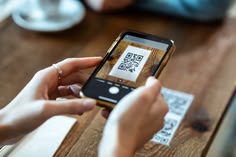
📲 SCAM: Fake QR Codes
What happens: QR codes are now standard at restaurants, museums, parking meters, and transit stops worldwide. Scammers place fake QR code stickers over legitimate ones at high-traffic tourist locations. Scanning the fake code takes you to a phishing site, initiates a payment to a fraudulent account, or installs malware on your device.
How to beat it: Before scanning any QR code in a public space, inspect the sticker. If it looks applied over something else, do not scan it. At restaurants, ask for the printed menu if you are uncertain. Never enter payment information through a QR-scanned link without first confirming the URL belongs to a legitimate, recognized business.
🚔 SCAM: The ‘Closed Attraction’ or ‘Hotel is Full’ Redirect
What happens: A taxi driver, tuk-tuk operator, or friendly local tells you that the temple, museum, or attraction you are heading to is closed today, a national holiday, special event, maintenance. They offer to take you somewhere better. The destination has nothing to do with what you wanted, and your driver receives a commission for delivering you there.
How to beat it: Ignore this entirely. Verify independently by checking Google Maps, the attraction’s official site, or asking at your hotel. Legitimate attractions have regular, published opening hours. Always insist on going directly to your original destination. If it is genuinely closed, you will find out when you arrive, not from a stranger who approaches you outside it.
🧶 SCAM: The Friendship Bracelet and ‘Free Gift’ Trap
What happens: A person approaches and places a bracelet, flower, or token on your wrist or in your hand before you can react. Once it is on you, they aggressively demand payment, claim you agreed to buy it, and often involve other people who surround or pressure you. Variations include fake monks offering blessings in exchange for donations.
How to beat it: Keep your hands in your pockets or at your sides in known tourist areas. If someone reaches for your arm or tries to place something on you, step back and say no firmly while continuing to walk. You are under no obligation to accept or pay for anything you did not request. Fake monk scams operate in virtually every major tourist city globally.
👮 SCAM: The Fake Police Officer Shakedown
What happens: A person approaches claiming to be an undercover police officer. They claim to have witnessed you doing something illegal, a drug purchase, an illegal currency exchange, a prohibited photograph and demand to see your wallet, passport, or to accompany you somewhere to ‘sort it out.’ Real police do not work this way.
How to beat it: Ask to see official identification. A real police officer will always produce their badge and identification willingly. Offer to show your ID without handing over your wallet or passport. Request to go to the nearest official police station rather than anywhere they suggest. If you feel unsafe, make noise, go into a shop, or call the tourist police number at your destination.
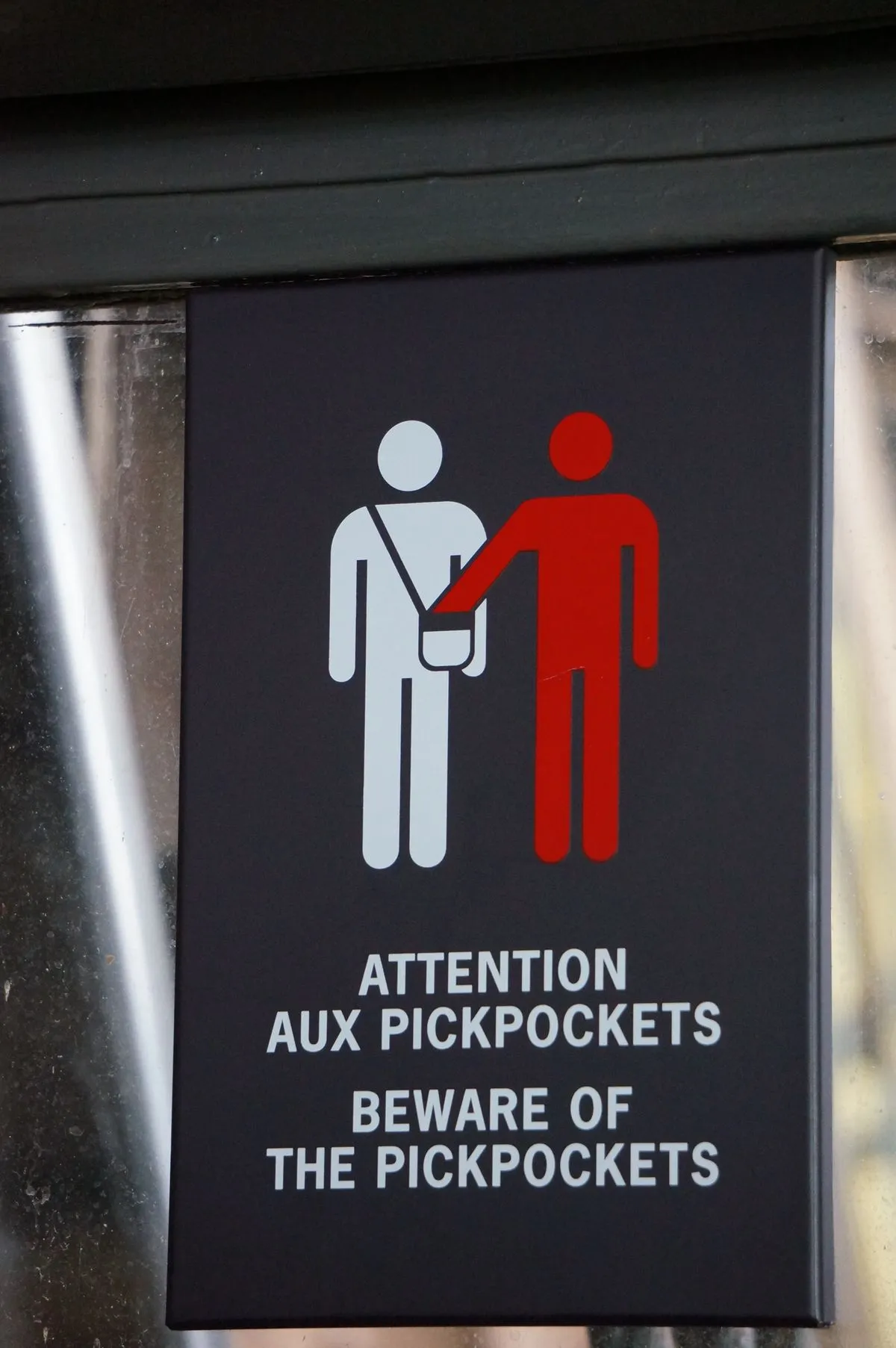
🖵 SCAM: The Distraction Pickpocket
What happens: Something draws your attention unexpectedly, someone spills something on you and rushes to help clean it up, a person drops something and asks for help, a group surrounds you to sign a petition or push a clipboard at you. While your attention is diverted, an accomplice accesses your bag, pocket, or phone.
How to beat it: In crowded tourist areas, keep bags in front of you with zippers facing your body. Use a money belt or neck pouch for your passport and main cards. Never stop walking for a clipboard or petition. If something is spilled on you, hold your belongings tightly before doing anything else. Be especially alert at crowded transportation hubs and famous landmarks.
🏷️ SCAM: Fake Skip-the-Line Tickets and Tour Upsells
What happens: As popular attractions grow more crowded, scammers sell fake ‘express entry’ or VIP access tickets outside major attractions like the Colosseum, Sagrada Familia, the Louvre, and similar venues. Travelers pay premium prices for tickets that either do not work or simply do not exist. Tour operators also use aggressive upselling at hotel check-ins with tours that are overpriced and underdelivered.
How to beat it: Book skip-the-line tickets exclusively through the attraction’s official website or verified partners listed there. Never buy tickets from individuals approaching you outside an attraction. When booking tours, use your hotel concierge, a known travel app like Viator or GetYourGuide, or ask your trip organizer, they vet vendors so you do not have to.
"The travelers who never get scammed are not luckier than everyone else. They know one thing the others do not: a stranger who initiates contact at a tourist site is almost never just being friendly."
The Five Habits That Make You Scam-Proof
Book everything through official channels: airline apps, hotel direct, verified platforms. Delete any link in an unsolicited email and go directly to the source
Carry only what you need each day: one credit card, small cash, a photocopy of your passport. Your actual passport stays in the hotel safe
Use official ride apps with upfront pricing for every journey. Confirm the plate before you get in, every single time
Inspect every QR code before scanning in a public space. If the sticker looks placed over something, do not scan it
Keep walking. Friendly strangers at tourist sites who stop you or place things in your hands are operating a script. You are allowed to say nothing and keep moving
ONE MORE: USE A VIRTUAL CARD FOR TRAVEL
Several banks and apps, including Revolut, Privacy.com, and Apple Pay, allow you to generate a virtual card number for international purchases. Even if a scam site captures your card details, the virtual number is locked to a spending limit you set and cannot be reused. This is one of the most effective financial protections for international travelers in 2026.
Travel Smart. Arrive Ready. Enjoy Every Moment.
Knowing these scams is not about traveling in fear. It is exactly the opposite. The travelers who move through the world most freely and most joyfully are the ones who understand the landscape clearly because they are never caught off guard, never rattled, never in the position of trying to figure out what is happening while it is happening.
When Golden Life Travel curates a trip, we think through these details so you do not have to carry the mental weight of them. Vetted transportation. Trusted guides. Verified accommodations. A group dynamic that is itself a layer of protection.
The best version of your trip is the one where you are fully present for every moment of it, not managing a situation you were not prepared for.
Cartagena 2027. Boss Babes in Brazil 2027. Greece Odyssey 2027. Tokyo 2027. Every Golden Life destination has its own scam landscape and every Golden Life traveler leaves home knowing exactly what it looks like.
Share this blog with someone you know who travels. It could save them a trip-defining headache.
goldnlife.com | 855-627-1415

