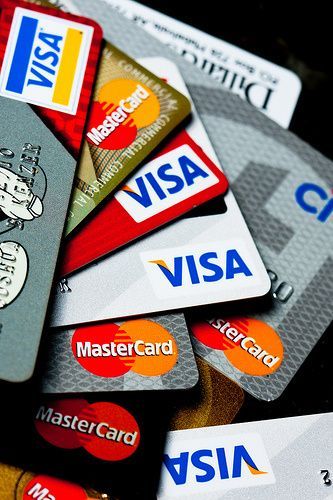
You're Losing Hundreds Per Trip to Hidden Fees 6 Travel Money Mistakes to Stop Making
She had saved carefully for this trip.
Every dinner out she skipped. Every impulse purchase she walked away from. She landed in Dubai with a budget she was proud of, a card she trusted, and a plan to make every dirham count.
She hit the ATM at the airport. Withdrew enough cash for the first day. Pressed through the screens quickly because the line behind her was long and she was exhausted from the flight.
A few days later, she checked her bank app.
She had been charged a $4.50 international withdrawal fee. A 3% foreign transaction fee on top of that. Then a Dynamic Currency Conversion markup because she had accidentally agreed to be charged in US dollars instead of dirhams, which let the ATM set its own exchange rate.
On that one withdrawal, she had paid almost 20% above the actual cash value she received.
And she had used the ATM three more times since then.
"The hidden fees of international travel are not hiding very well. They are right there on the screen, in small print, under time pressure, while you are jet-lagged and in a hurry."
Nobody warned her. And nobody warns most travelers, which is why the same mistakes happen at airport ATMs, hotel desks, and restaurant card readers from Dubai to Bali to Athens, on every single trip.
This is the guide that changes that.
Mistake 1: Using the Airport ATM First
The airport ATM is the most convenient ATM on your trip. It is also almost always the most expensive one.
Airport ATMs and currency exchange counters consistently offer the worst exchange rates and the highest surcharge fees of anywhere in the destination city. They know you just landed. They know you need cash. And they charge accordingly.
THE RULE:
Do not withdraw cash at the airport if you can help it. Bring enough local currency from home for the first 24 hours or use a credit card for the taxi and your first meal and find an ATM at a reputable local bank once you leave the terminal. The difference in fees and exchange rates between airport ATMs and city-based bank ATMs can be 5% to 8% per withdrawal.

Mistake 2: Saying Yes to "Pay in Your Home Currency"
This is the most expensive four-word question in international travel and it appears at ATMs, hotel check-ins, restaurant card readers, and shops across every major tourist destination in the world.
It is called Dynamic Currency Conversion, or DCC. When a machine or merchant offers to charge you in your home currency instead of the local one, they are offering to set the exchange rate themselves at a markup that is almost always 3% to 7% higher than your bank's rate.
The offer sounds helpful. It feels comfortable. In a foreign country, seeing your own currency on the screen feels like certainty. That feeling is exactly what DCC is designed to produce.
Always pay in the local currency. Always. No exceptions.
When you choose local currency, your bank's network handles the conversion at its interbank rate which is always better than what the merchant or ATM offers. This single habit alone can save you a significant amount across a two-week international trip.
Mistake 3: Using a Card That Charges Foreign Transaction Fees
Many standard debit and credit cards charge a foreign transaction fee of 1% to 3% on every international purchase. That includes restaurants, hotels, shops, ride-share apps, and ATM withdrawals.
On a $5,000 trip, a 3% foreign transaction fee adds $150 in charges you did not budget for and did not need to pay if you had simply used a different card.
Cards with zero foreign transaction fees to research: Chase Sapphire Preferred, Charles Schwab Investor Checking (also reimburses all ATM fees worldwide), Capital One 360, and most travel-rewards credit cards. These are worth opening before any international trip.
If you only have a card with foreign transaction fees, use it as little as possible abroad. Withdraw larger amounts less frequently at ATMs to reduce the number of withdrawal fees you incur.
Mistake 4: Not Notifying Your Bank Before You Travel
Your bank's fraud detection systems are built to flag unusual behavior and using your card in a foreign country you have never visited is about as unusual as it gets. Without a travel notice on your account, your bank may freeze your card the moment you attempt a transaction abroad.
This happens at the worst possible moments: checking into a hotel at midnight, paying for a restaurant meal with a group, trying to withdraw cash after a long travel day.
DO THIS BEFORE EVERY TRIP:
Call your bank or log into your banking app and set a travel notice for every country on your itinerary, including any layover countries where you might spend money. Do this at least 48 hours before departure. Takes five minutes. Can save an enormous amount of stress.
Mistake 5: Trusting the Hotel's Currency Exchange Desk
Hotel currency exchange desks are almost universally one of the worst places to exchange money abroad. They offer convenience in exchange for significantly higher commissions and less favorable exchange rates than you would get at a local bank ATM.
The same applies to standalone currency exchange kiosks in tourist areas, especially those advertising 0% commission. No commission often means the poor rate is built directly into the exchange margin. What looks free rarely is.
The best exchange rate you will get abroad is almost always through a debit card withdrawal at a major local bank's ATM, selecting local currency, with a card that has no foreign transaction fees. That is the standard to benchmark everything else against.

Mistake 6: Carrying Only One Card
Cards get skimmed. Cards get lost. Cards get swallowed by ATMs in countries where the bank machine operates on different standards than your card was issued for. Cards get flagged by fraud systems even with a travel notice on the account.
Every experienced international traveler carries at least two cards stored separately, one in their bag, one in their hotel safe or a secondary location. One primary spending card. One backup that stays untouched unless needed.
This is not paranoia. It is the simplest form of financial travel insurance there is.
A Quick Reference: The Money Rules That Cost Nothing to Follow
Never use the airport ATM if avoidable, wait until you reach a city-based bank ATM
Always choose local currency at every ATM, card reader, and checkout, never home currency
Use a card with no foreign transaction fees for all international purchases
Notify your bank of every country on your itinerary before you leave home
Avoid hotel currency exchange desks and tourist-area exchange kiosks
Carry two separate cards stored in two separate locations
Withdraw larger amounts less frequently to minimize per-transaction fees
Check your banking app daily while abroad to catch any unusual charges immediately
"The travelers who come home with money left over are not the ones who spent less. They are the ones who did not pay fees they didn't have to."
Your Budget Deserves to Go Toward the Trip, Not the Bank
When Golden Life Travel puts together an itinerary, every detail is chosen because it adds value to your experience. A rooftop dinner in Dubai. A private villa in Bali. A sunset catamaran in Santorini. Those are the things your money should be going toward.
Not ATM fees. Not currency conversion markups. Not frozen accounts at midnight in a foreign city.
Take thirty minutes before your next trip and handle the money side of it properly. Get the right card. Set the travel notice. Know which ATMs to avoid and which question to answer when the screen asks. It is not complicated once you know what to look for.
The best travel experience is one where the only thing you are thinking about is the destination, not the logistics you forgot to handle before you left.
Dazzling in Dubai in September. Eat, Pray & Slay: Bali Bliss in October. Greece Odyssey 2027. These are investments worth protecting, from the moment you book to the moment you land.
Questions about how to prepare financially for your Golden Life trip? We are here.

