
You’re Still Overpacking And It’s Costing You More Than Baggage Fees.
She had traveled enough to know better.
Twenty-two countries. Fourteen international trips in the past decade. She had been to Bali, Thailand, Morocco, Portugal, and Colombia. She owned good luggage. She had read the packing lists. She knew, in theory, how to pack light.
And every single time, she stood at the airline check-in desk watching her bag get weighed, calculating the overweight fee, wondering how she had let it happen again.
The extra pair of shoes she never wore. The ‘just in case’ outfit for the fancy dinner that never materialized. The four different hair tools. The three variations of the same shirt. The backup bag that was supposed to be a day bag but became a second checked bag by day two.
Sound familiar?
"38% of the world’s most experienced international travelers still identify overpacking as their single biggest travel mistake. Not a rookie mistake. Not a beginner mistake. The mistake that persists across years of travel and dozens of trips."
According to the Global Rescue Traveler Sentiment and Safety Survey released August 17, 2026, overpacking is the #1 international travel mistake experienced travelers make, for the fourth consecutive year. And this year, the number is going up, not down. 38% identified it as their worst error, up from 32% in 2025.
But here is what most articles about overpacking miss entirely: it is not just about baggage fees. The real cost is much bigger than that.
What Overpacking Actually Costs You: Beyond the Fee
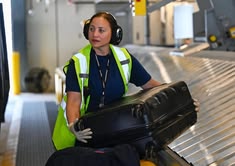
Most people frame overpacking as a financial inconvenience, an overweight baggage fee here, a gate-check charge there. But the Global Rescue report makes something clear that most packing advice skips entirely:
THE PART NOBODY TALKS ABOUT:
Overpacking can become a safety liability during emergencies. Travelers burdened with oversized or multiple bags move more slowly, tire more quickly, and in genuine disruption scenarios, a cancelled connection, a sudden evacuation, a medical situation, may have to abandon their luggage entirely. A lighter bag is not just a convenience. In the wrong situation, it is protection.
Beyond safety, here is what the research shows overpacking consistently costs travelers:
💸 Money — More Than You Think
Airline overweight fees average $50 to $200 per bag per direction on international flights. On a round-trip to Bali, that is potentially $400 in avoidable charges. Add gate-check fees at stricter carriers, taxi upgrades to fit larger bags, and the hotel storage you need because your bag does not fit in the room, and the actual cost of overpacking a single international trip regularly exceeds $500.
�� Energy — The Tax on Every Moment
A heavy bag does not just sit in your room. It rides with you to airports, up hotel stairs, through cobblestone streets, on and off trains and ferries. The physical and mental exhaustion of managing oversized luggage throughout a trip is real, measurable, and almost universally underestimated before departure. Experienced travelers consistently say their best trips were their lightest trips.
⏰ Flexibility — The Hidden Price of Overpacking
The traveler with a carry-on can change a flight, take a different train, book a last-minute add-on, or pivot an itinerary instantly. The traveler with two checked bags cannot. Every bag you add removes options. On a curated luxury trip, this matters less than on an independent journey but it matters everywhere.
🧠 Presence — What It Really Costs
Managing, tracking, and worrying about luggage consumes mental bandwidth that should be going toward the experience. The travelers who arrive at a Bali sunrise most fully present are not the ones reorganizing a second checked bag at 5 a.m.
Why Experienced Travelers Still Overpack: The Psychology
This is the question the data raises and almost nobody answers: if 38% of experienced, well-traveled people still overpack despite knowing better, why?
The research and travel psychologists point to three consistent reasons:
Packing for anxiety, not reality: Most overpacking happens when we pack for hypothetical scenarios rather than the confirmed itinerary. The fancy dinner that might happen. The weather that could change. The activity we might add. Experienced travelers pack for the trip they are actually taking, the dinner reservations already made, the activities already booked, the weather actually forecast.
Decision fatigue at packing time: Packing decisions feel low-stakes, so we default to yes. Yes to the extra shoes. Yes to the backup bag. Yes to the just-in-case layer. Each individual item seems reasonable; the combined weight is the problem. The discipline of packing light requires treating each item as a deliberate choice, not a default addition.
The ‘I might need it’ trap: The emotional cost of not having something feels higher than the physical cost of carrying everything. But experienced travelers note that in twenty-plus international trips, the ‘just in case’ items almost never get used. And when something is genuinely needed, it can almost always be purchased at the destination for a fraction of what the excess baggage fee cost.
The Golden Life Packing Framework: Destination by Destination

Packing light does not mean packing wrong. The goal is a bag that covers everything you actually need, nothing you do not, and looks intentional and elevated throughout the trip. Here is the framework by destination:
🌴 Bali — Pack for Flow and Culture
Bali rewards light, breathable fabrics. The climate is warm and humid year-round. Think: 2 flowing dresses or linen trousers, 3 lightweight tops that work day-to-night, 1 long sleeveless dress or sarong (required for temple visits), 1 light layer for air-conditioned restaurants, 1 comfortable sandal that works for walking and dining, 1 pair of flip-flops for the pool. Everything else, the resort shops and local markets have it at a fraction of the price you will pay for excess baggage.
✨ Dubai — Pack for Polish and Coverage
Dubai requires more coverage than many destinations but rewards elevated style. The dress code in malls, restaurants, and mosques requires covered shoulders and knees. Pack: 2 elevated daytime outfits, 1 formal dinner look (Dubai dining is genuinely glamorous), 2 smart casual combinations, 1 resort-wear set for the pool, and 1 lightweight cardigan or layer for aggressive air conditioning. Dubai’s shopping is world-class, you will buy things there, so leave room.
🏛️ Greece — Pack for Sun-Kissed Ease
Greece is the destination that rewards packing lightest. The aesthetic is effortless Mediterranean ease. Think: 3 linen or cotton pieces that work in multiple combinations, 1 white dress that photographs beautifully against blue domes, 1 elevated sandal, 1 swimsuit cover-up that doubles as a dinner look, and comfortable walking shoes for cobblestone streets. Anything else is extra weight on a boat.
🌸 Tokyo — Pack for Intention
Tokyo is a fashion city. The aesthetic is clean, considered, and quietly stylish. Pack outfits that are complete and intentional rather than mixed casually. Neutral tones, structured pieces, and one bold statement item work best. Tokyo’s pharmacies and convenience stores stock almost every practical item you might have left behind, at exceptional quality and reasonable cost.
The Rule Every Light Packer Lives By
Lay out everything you plan to pack. Then put half of it back.
It feels impossible the first time. It feels exactly right the moment you lift the bag.
The specific discipline: pack for your confirmed itinerary, not your hypothetical one. If a dinner reservation is not already made, do not pack for it. If the weather forecast says warm, do not pack for cold. The ‘just in case’ items are almost never the ones you reach for. They are the ones that cost you $200 at the baggage counter and another $200 in physical and mental energy across the trip.
THE SMART TAG HABIT:
The Global Rescue 2026 survey found that 31% of experienced travelers’ #1 travel hack is placing a smart tag (AirTag, Tile, Samsung SmartTag) in every checked bag. This one habit removes the anxiety of luggage loss entirely and is a more practical solution than overpacking ‘backup’ items in case bags are delayed.
"A lighter bag makes every part of international travel easier, from navigating airports and train stations to changing flights, climbing hotel stairs, or adapting when plans suddenly change. The goal of travel should be freedom, flexibility, and discovery. Overpacking is the enemy of all three." — Dan Richards, CEO, Global Rescue Companies
The Trip You Packed For Should Be the Trip You Actually Have
Here is the thing about curated travel that changes the packing equation: when the logistics are handled, you need less. When the transportation is vetted, you are not managing uncertainty. When the accommodations are exceptional, you are not packing backup comfort items because you already know where you are staying and what it looks like.
Golden Life Travel trips are built around presence, the kind that requires you to be unencumbered, light on your feet, ready for what is actually in front of you. That starts with what you put in your bag before you leave.
Pack for the trip you are taking, not the trip you are afraid of. The best experiences on any journey happen to the traveler who is not distracted by what she is carrying.
Cartagena 2027. Boss Babes in Brazil 2027. Greece Odyssey 2027. Tokyo 2027. For any upcoming Golden Life trip, reach out before you pack — we can tell you exactly what you need and what you absolutely do not.
goldnlife.com | 855-627-1415

