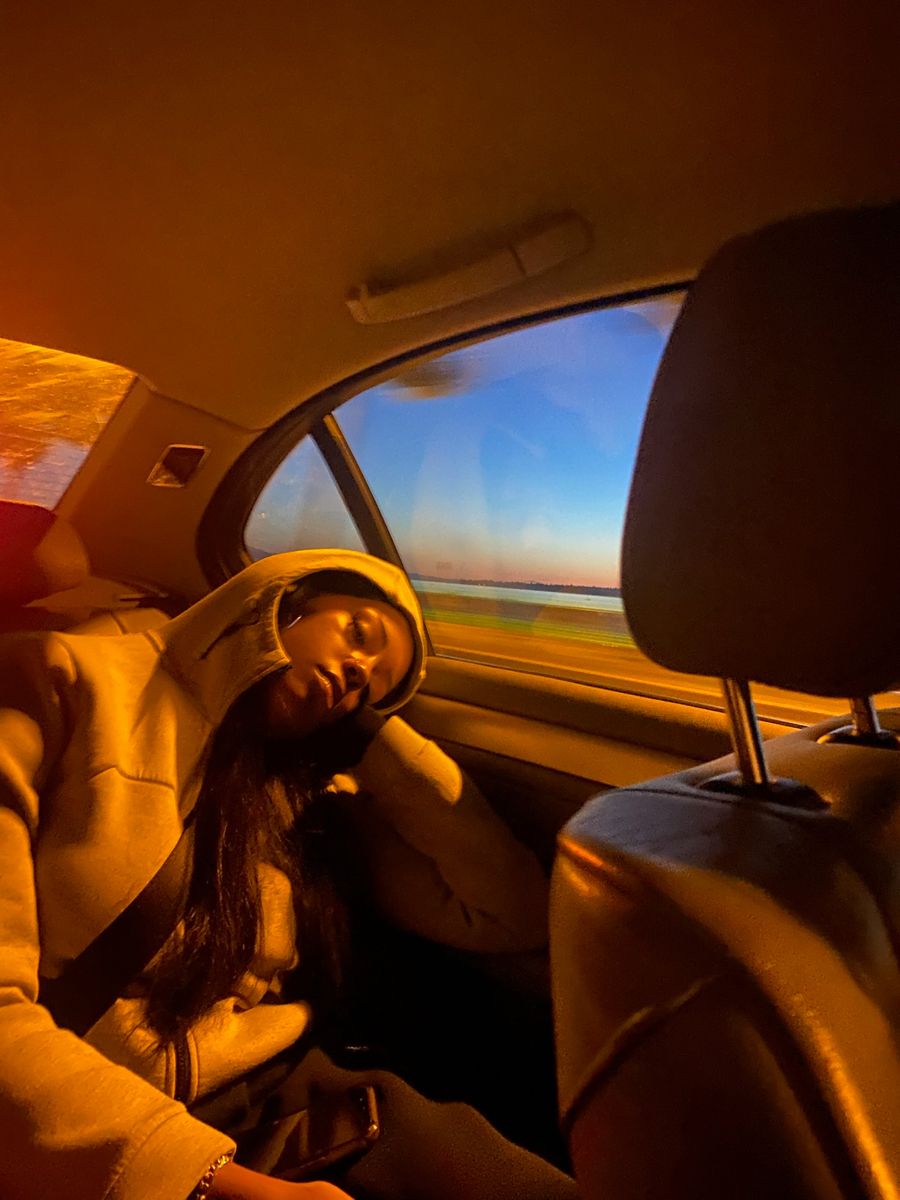
How to Beat Jet Lag on Long-Haul Flights: What Actually Works
You Flew 14 Hours to Get There. Don't Spend the First 3 Days in Bed. The Real Guide to Beating Jet Lag
Jet lag doesn't have to ruin your first days in Bali, Dubai, or Tokyo. Here's what frequent long-haul travelers actually do before, during, and after the flight.
Picture this.
You have been planning this trip for months. You land in Bali after 14 hours in the air, collect your bags, and step outside into warm tropical air that smells like frangipani and possibility. The driver is waiting. The resort is 40 minutes away. The infinity pool is calling.
And all you want to do is close your eyes.
By the time you reach the hotel, it is noon local time, which means your body is convinced it is 2 a.m. You tell yourself you will just lie down for an hour. You wake up at 7 p.m., groggy and disoriented. Miss dinner. Lie awake at 3 a.m. staring at a ceiling fan. Drag yourself to breakfast the next morning feeling like a completely different person than the one who packed that suitcase.
Day one, gone. Day two, half gone. And the trip you spent months planning has already lost two days to jet lag.
Here is the thing: it does not have to go that way.
"Jet lag is not inevitable. It is your body doing its best on foreign soil and with the right preparation, you can help it adjust faster than you ever thought possible."
Frequent long-haul travelers, the women who fly to Bali, Tokyo, Dubai, and beyond multiple times a year, have cracked this. And the strategies they swear by are not complicated. They just require knowing them before you board the plane.
First, What Is Jet Lag And Why Does It Hit Some People Harder?
Jet lag happens when your body's internal clock, your circadian rhythm, gets out of sync with the local time zone at your destination. Your body still thinks it is running on home time, so it releases sleep hormones at the wrong hours, disrupts your digestion, and leaves you foggy and fatigued when you should be sharp and present.
A few factors make it worse for some people: crossing more than three time zones in one journey, flying eastward (which is harder than flying west), poor sleep before the flight, dehydration, and alcohol. The good news? Every single one of those factors is within your control.
Here is what actually works. organized by when to apply it.
BEFORE Your Flight: Start 3 Days Early.
Shift your sleep schedule toward your destination.
If flying east (like the US to Bali), start going to bed 30–60 minutes earlier each night for three nights before departure. If flying west, stay up a little later. This small adjustment significantly reduces the shock of landing in a new time zone.
Hydrate aggressively the day before.
Dehydration amplifies every jet lag symptom, fatigue, headaches, brain fog. Start drinking extra water 24 hours before your flight. Avoid alcohol and excess caffeine the day before you travel.
Download the Timeshifter app.
This is the jet lag app backed by actual circadian science. You input your flight details and it gives you a personalized hour-by-hour plan for light exposure, sleep timing, and melatonin use. Frequent long-haul travelers consistently rate this as the single most effective tool they use.
Do not pull an all-nighter before your flight.
A common mistake. Arriving at the airport exhausted sets you up for a harder recovery. Protect your sleep the night before departure as much as possible.
DURING Your Flight: What You Do in the Air Matters
Set your watch to destination time the moment you board.
This is a mental reset as much as a practical one. Start eating, sleeping, and moving based on destination time, not where you came from. If it is nighttime at your destination, sleep. If it is daytime, stay awake.
Sleep on destination nighttime, not when you feel tired.
This is the rule experienced long-haul travelers stress most. Sleeping during destination daytime reinforces the exact misalignment you are trying to fix. Discipline yourself to sleep only when it is night at your destination.
Move every two hours.
Get up, walk to the back of the plane, stretch your legs and neck. This improves circulation, reduces stiffness, and helps your body stay more alert and comfortable. On a 14-hour flight, movement is not optional, it is recovery prep.
Skip the alcohol entirely.
Free wine on a long-haul flight feels like a luxury. But alcohol disrupts your sleep architecture, dehydrates you faster in the dry cabin air, and makes jet lag significantly worse on arrival. Sparkling water is your best friend on this flight.
Eat light and align meals with destination time.
Your digestive system has its own internal clock. Eating at local meal times at your destination, even when you have no appetite, helps your body recalibrate faster. Avoid heavy, salt-laden airline meals and opt for lighter options when available.
AFTER You Land: The First 48 Hours Are Everything
Get outside in natural light immediately.
Sunlight is the most powerful signal your circadian system responds to. As soon as you land, get outside. Even 20–30 minutes of natural light exposure tells your body what time it is faster than anything else. This is non-negotiable.
Exercise on arrival day.
Even a 30-minute walk at your destination helps accelerate circadian adaptation. It counteracts the sluggishness of sitting for hours and sends a powerful signal to your body that it is time to be awake and active.
Do not nap more than 20 minutes.
The urge to collapse when you arrive is real and almost always a mistake. Long daytime naps anchor your body clock to your old time zone and make the adjustment significantly harder. If you must rest, cap it at 20 minutes before 2 p.m. local time.
Use melatonin strategically, not randomly.
Melatonin works best when taken at the right time, not just when you feel tired. For eastbound flights, take a low dose (0.5–1mg) 30 minutes before your target bedtime at the destination. Higher doses do not work better, they often work worse. Consult your doctor if you are on other medications.
"The travelers who arrive in Bali ready on day one are not superhuman. They just started preparing three days before they left home."
The Trip You Planned Deserves Every Single Day
When Golden Life Travel builds a trip, every day is designed. Every experience has a reason it is on that itinerary. A sunrise temple tour on Day Two. A cooking class on Day Three. A rooftop dinner on Day Four. Those moments do not wait for your body to catch up.
Arriving prepared means you actually experience what you came for, fully present, fully awake, fully there. Not shuffling through day one in a fog wondering when the exhaustion will lift.
Start your jet lag prep three nights before you fly. Download Timeshifter. Drink the water. Skip the airport wine. Get outside the moment you land.
Your destination is ready for you. Make sure you are ready for it.
Bali Bliss in October. Dazzling in Dubai in September. Greece Odyssey 2027. Tokyo 2027. These are not trips you want to sleep through.
Have questions about preparing for a specific destination on one of our upcoming trips? Reach out to us at goldnlife.com or call 855-627-1415. We have got you covered, from departure to arrival.

